Why This Tinnitus Relief Approach Deserves More Attention
6/18/20263 min read
You’re tired of hearing it.
Not advice. Not opinions. The ringing.
It follows you into bed, wakes you before the alarm, and steals the quiet moments you used to take for granted. When it has been going on for months or years, exhaustion starts to feel normal.
What makes tinnitus especially hard is how invisible it is.
Someone with a sore knee can point to the problem. Someone with a migraine can go lie down in a dark room. But when the sound exists only inside your head, people often assume it can't be that bad.
You know otherwise.
The loss of focus. The strain of conversations. The way silence becomes the one thing you can never find.
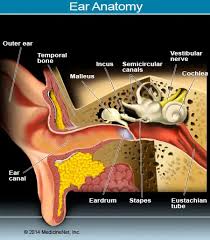
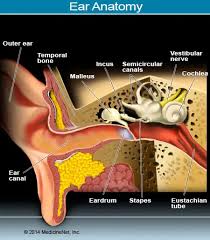
What surprises many people is that tinnitus is not actually a sound coming from your ears.
The ringing, buzzing, hissing, or whistling is created by your brain.
That sounds strange at first. But it helps explain why so many common approaches disappoint people. Ear drops, random supplements, and endless masking sounds often target the noise itself while ignoring why the brain keeps generating it.
Think of it this way.
Your auditory system constantly sends information from your ears to your brain. When that signal changes, sometimes because of noise exposure, aging, circulation changes, stress, or hearing damage, the brain may begin filling in the missing information. The result can be a sound that feels completely real even though no external sound exists.
This is one reason tinnitus often becomes louder at night.
The room gets quieter. Your brain has fewer sounds competing for attention. The ringing moves to center stage.
You may have noticed something else too.
On stressful days, the noise often feels stronger.
That isn't your imagination. The brain areas involved in attention, emotion, and stress can influence how tinnitus is perceived. The sound may not actually change much, but your awareness of it can increase dramatically.
I've spoken with people who did all the right things. They avoided loud environments. They used white noise. They followed hearing advice carefully. Yet they still found themselves lying awake at 2 a.m., listening for a sound they desperately wanted to ignore.
Understanding that connection matters.
Because once you see tinnitus as a brain-and-auditory-system issue rather than simply an ear problem, a lot of frustrating experiences suddenly make sense.
The biggest mistake isn't treating the ringing. It's assuming the ringing itself is the root cause.
That shift may seem small, but it changes where you look for answers.
Researchers and hearing specialists have spent years studying how the brain processes sound, attention, and sensory signals. While no single approach works for everyone, the most promising strategies tend to focus on reducing the brain's fixation on the sound rather than fighting the sound directly.
That doesn't mean the ringing is "all in your head."
It means the mechanism behind it runs deeper than most people realize.
And when you understand that difference, you stop wasting energy on approaches that only scratch the surface.
If you've become skeptical, I understand. Living with tinnitus has a way of wearing down hope, especially after trying one thing after another without lasting relief.
After going through this myself, I put together a short free video that goes deeper into exactly this and explains the natural tinnitus relief method that changed how I understood the problem.
In the video, I walk through the underlying process in simple language and show why focusing on the deeper trigger may matter more than chasing the ringing itself.
One more thing worth knowing: persistent tinnitus can sometimes worsen over time and may be associated with hearing changes in some people. Understanding what's driving it sooner rather than later is simply the smarter approach.
QuietEarTips
Pages
legal
This website contains affiliate links. If you make a purchase through one of these links, I may receive a small commission at no additional cost to you. The experiences shared on this site are personal and individual. Results are not guaranteed and can vary from person to person. All content is provided for informational purposes only and should not be considered medical advice. Always speak with a qualified healthcare professional before beginning any new health protocol or supplement.
© 2024. All rights reserved.