Why This Natural Tinnitus Approach Often Gets Overlooked
6/25/20262 min read
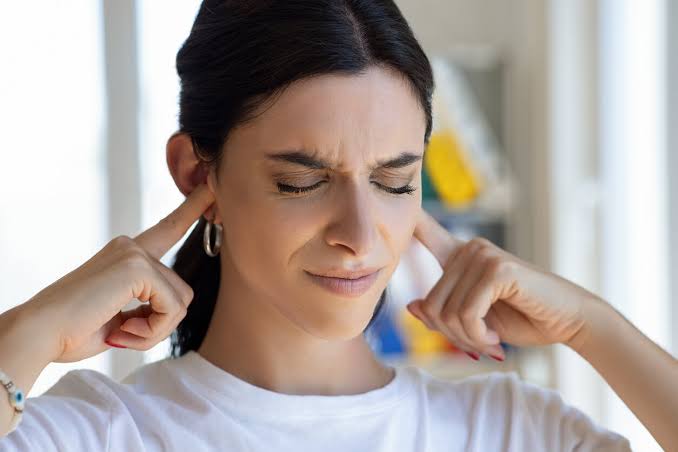

You’re exhausted, and not just from the noise.
It’s the way the ringing follows you everywhere. Into bed. Into quiet rooms. Into moments that used to feel peaceful.
What makes tinnitus so difficult is that nobody else can hear it.
People see you functioning. They assume you're fine. Meanwhile, you're lying awake at 2 a.m., listening to a sound that never seems to stop.
If you've tried white noise, ear drops, supplements, hearing tests, or endless internet advice, you already know something frustrating.
Most approaches focus on covering up the ringing.
They rarely explain why it's happening.
That matters because tinnitus isn't actually a sound coming from your ears.
In many cases, it's a signal created by your brain.
When hearing becomes disrupted, even slightly, the brain sometimes tries to compensate for missing sound information. It turns up its internal sensitivity, almost like raising the volume on a weak radio station.
The result can be ringing, buzzing, hissing, clicking, or tones that seem completely real.
That’s one reason tinnitus often feels worse in silence.
The quieter your environment becomes, the more noticeable those internal signals can appear.
This is also why stress and poor sleep often make tinnitus louder.
Your hearing system does not operate separately from the rest of your nervous system. When your body stays in a heightened state of alertness, the brain pays more attention to sounds it might otherwise filter out.
A lot of people notice this pattern without fully understanding it.
The ringing feels louder after a stressful week. Louder after a bad night's sleep. Louder when anxiety spikes.
That doesn't mean the sound is imaginary.
It means your brain's attention system plays a bigger role than most people realize.
I once spoke with someone who carried a fan from room to room for years. Not because the fan solved anything. It simply gave their brain something else to focus on. The moment the fan stopped, the ringing rushed back.
That experience highlights something important.
You can manage symptoms without ever addressing the deeper reason they persist.
The biggest mistake isn't treating the ringing. It's assuming the ringing itself is the root problem.
For some people, underlying hearing changes play a role. For others, circulation, chronic inflammation, jaw tension, neck issues, or nervous system overload may contribute. Tinnitus often has layers, which is why one-size-fits-all solutions disappoint so many people.
Once you start looking beyond the sound itself, the picture often becomes clearer.
You stop asking, "How do I silence the ringing?"
You start asking, "What is my body trying to tell me?"
That shift may seem small.
But it changes where you look for answers.
And that's important because persistent tinnitus should never be ignored. In some cases, ongoing tinnitus can accompany progressive hearing changes. The earlier contributing factors are identified, the better your chances of protecting long-term hearing health.
You probably arrived here hoping someone would finally explain why nothing has worked.
The truth is that many common recommendations help people cope, but coping and understanding are not the same thing.
Understanding gives you a new place to investigate.
And sometimes that changes everything.
I understand why you're skeptical. If you've lived with ringing for months or years, you've heard plenty of promises already.
After going through this myself, I put together a short free video that goes deeper into exactly this and explains why looking beyond the sound itself may be the missing piece for some people.
It also covers why ongoing tinnitus deserves attention sooner rather than later, especially when hearing changes may be developing in the background without obvious warning signs.
QuietEarTips
Pages
legal
This website contains affiliate links. If you make a purchase through one of these links, I may receive a small commission at no additional cost to you. The experiences shared on this site are personal and individual. Results are not guaranteed and can vary from person to person. All content is provided for informational purposes only and should not be considered medical advice. Always speak with a qualified healthcare professional before beginning any new health protocol or supplement.
© 2024. All rights reserved.