When Ear Ringing Won't Stop: Natural Ways to Manage Tinnitus
6/27/20262 min read
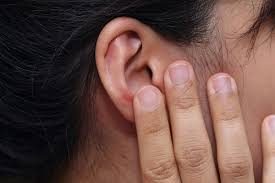
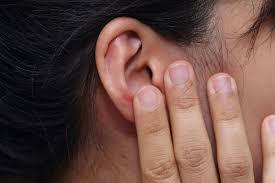
If you've reached the point where the ringing never seems to stop, you're probably exhausted. Quiet moments don't feel quiet anymore, and even falling asleep can become a nightly struggle.
What makes tinnitus so frustrating is that other people can't hear it. They may not realize how much effort it takes just to concentrate on a conversation, finish a task, or enjoy a peaceful evening.
The first thing to know is that tinnitus itself isn't a disease. It's a symptom. The sound you hear is created somewhere along the hearing system, often after changes in the inner ear, hearing nerves, or the brain's sound-processing centers. When hearing is reduced, the brain sometimes "fills in the silence," creating ringing, buzzing, hissing, or humming that isn't coming from the outside world.
That helps explain why so many common tips bring only temporary relief. They may help you feel calmer, but they don't always address why your brain continues producing the sound.
Certain habits can make tinnitus feel louder. Poor sleep, chronic stress, excessive noise exposure, and too much caffeine or alcohol affect some people, although not everyone responds the same way. Keeping a simple journal of when your symptoms worsen can reveal patterns you may have overlooked.
Sound therapy is another approach worth considering. A fan, gentle rainfall sounds, or white noise during bedtime can reduce the contrast between silence and the ringing, making it less noticeable for many people. The goal isn't to drown out the sound completely. It's to give your brain something else to pay attention to.
If you've never had your hearing checked, it's worth scheduling an evaluation. Some people are surprised to learn they have mild hearing loss they hadn't noticed. In those cases, treating the hearing loss can also reduce how noticeable tinnitus feels.
Stress deserves attention too. That doesn't mean tinnitus is "all in your head." The sound is real. But anxiety and poor sleep can increase the brain's awareness of it, creating a cycle that's difficult to escape. Breaking that cycle often helps people regain a sense of control, even if the ringing doesn't disappear overnight.
The biggest shift often comes when you stop chasing the sound itself and start understanding what may be driving your brain to notice it so intensely.
One person I spoke with described trying every vitamin, herbal tea, and internet recommendation they could find. The biggest improvement didn't come from another remedy. It came from finally understanding which factors were making the ringing worse and working through them consistently with guidance from a hearing specialist.
Natural strategies can absolutely play a role. Protecting your hearing, improving sleep, managing stress, staying physically active, and addressing hearing loss when present all have stronger support than most quick fixes you'll find online.
If your tinnitus is new, affects only one ear, comes with dizziness, or is accompanied by sudden hearing loss, don't wait to get medical care. Those symptoms deserve prompt evaluation because they can sometimes signal conditions that benefit from early treatment.
After spending years learning about tinnitus management, I put together a short free video that explains these evidence-based approaches in more detail and shows how they fit together in everyday life. If you're skeptical, that's understandable. My goal is simply to help you better understand what's happening and which strategies are most likely to help.
Ignoring persistent tinnitus isn't always the best choice, especially if it's changing or becoming more severe. Ongoing symptoms can sometimes be linked with hearing changes, making early evaluation worthwhile.
QuietEarTips
Pages
legal
This website contains affiliate links. If you make a purchase through one of these links, I may receive a small commission at no additional cost to you. The experiences shared on this site are personal and individual. Results are not guaranteed and can vary from person to person. All content is provided for informational purposes only and should not be considered medical advice. Always speak with a qualified healthcare professional before beginning any new health protocol or supplement.
© 2024. All rights reserved.