The Ancient Herb Some People Use for Tinnitus Relief
6/20/20263 min read
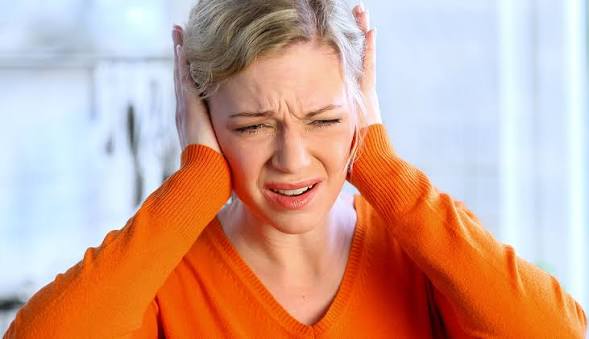
You lie down hoping sleep will finally come, and then the ringing starts stealing the silence again.
By morning, you're exhausted. Not just tired. Drained from listening to a sound nobody else can hear and trying to explain a problem most people don't fully understand.
If you've reached the point where you've tried white noise, ear drops, supplements, or endless internet advice, you're not alone. The hardest part of tinnitus isn't always the sound itself. It's the feeling that nothing changes no matter what you do.
One herb that keeps appearing in tinnitus discussions is ginkgo biloba. It's been used for centuries and remains one of the most studied natural remedies for ear ringing.
The reason is surprisingly simple.
Your ears don't work alone. They depend on a constant stream of oxygen-rich blood reaching tiny structures deep inside the auditory system. Those structures help convert sound vibrations into signals your brain understands.
When that system becomes stressed, damaged, or disrupted, the brain sometimes starts generating sound that isn't actually there. Ringing, buzzing, hissing, or humming can follow.
Researchers have explored whether ginkgo biloba may support healthy circulation, particularly in small blood vessels. The theory is that better blood flow could help certain people whose tinnitus has a circulation-related component.
The results have been mixed.
Some people notice improvement. Others notice little difference.
That doesn't mean the herb is useless. It means tinnitus rarely comes from one single source.
A retired teacher who spent years in noisy classrooms may have a different cause than someone who developed ringing after a period of intense stress. Someone with age-related hearing changes may experience tinnitus differently than someone recovering from an ear infection.
This is where many people become frustrated.
They spend years trying to silence the ringing directly.
Yet tinnitus often behaves more like a warning light than the actual problem.
The ringing may be the symptom your brain produces, while the real issue sits deeper in the hearing and nervous system.
That distinction matters.
When you view tinnitus only as an ear problem, every solution focuses on the noise itself. But hearing health, blood flow, inflammation, stress responses, and brain processing all interact in ways that researchers are still working to understand.
That's why one person can swear by an herb, while another gets no relief from the same approach.
A useful way to think about ginkgo biloba is not as a standalone answer, but as one piece of a larger picture. If circulation plays a role in your symptoms, it may help. If your tinnitus stems from other factors, the effect may be limited.
Understanding that can save you from the cycle of trying something for a week, feeling disappointed, and moving on to the next promise.
One of the clearest signs of this deeper connection appears in people who notice their ringing gets louder during periods of poor sleep, stress, or mental overload. The sound may seem like it's coming from the ears, but the brain's processing systems often influence how loud and intrusive it feels.
That insight changes the conversation entirely.
Instead of asking only, "How do I stop the ringing?" you start asking, "Why is my brain continuing to create it?"
That's a very different question.
And it often leads people toward answers they never considered before.
If you're skeptical, that's understandable. Most people with tinnitus have already tried more things than they can count.
After going through this myself, I put together a short free video that goes deeper into exactly this and explains why the source of tinnitus may not be where you've been looking.
Tinnitus sometimes becomes more difficult to manage when the underlying cause goes unaddressed, and persistent ringing can also be associated with hearing changes over time. The sooner you understand what's driving it, the better informed your decisions can be.
QuietEarTips
Pages
legal
This website contains affiliate links. If you make a purchase through one of these links, I may receive a small commission at no additional cost to you. The experiences shared on this site are personal and individual. Results are not guaranteed and can vary from person to person. All content is provided for informational purposes only and should not be considered medical advice. Always speak with a qualified healthcare professional before beginning any new health protocol or supplement.
© 2024. All rights reserved.