The Ancient Herb Some People Use for Persistent Tinnitus
6/23/20263 min read
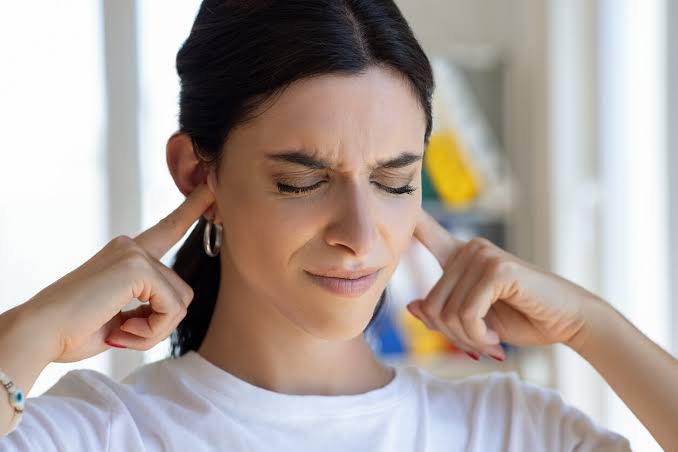

You lie down exhausted, hoping sleep will finally give you a break.
Then the ringing starts again.
Maybe it's a high-pitched whistle. Maybe it sounds like buzzing, hissing, or electrical noise. Either way, it follows you into quiet rooms, steals your focus, and turns simple moments into a battle of endurance.
What makes tinnitus so frustrating is that most people around you can't hear it.
They see you sitting calmly at dinner. They don't hear the noise that never stops.
If you've reached the point where you're clicking articles about herbs and natural approaches, you're probably not looking for hype. You just want a little peace.
One herb that continues to attract attention is ginkgo biloba.
It's not new. In fact, it's one of the oldest medicinal plants still used today. Researchers became interested in it because it may support blood flow, particularly in small blood vessels that supply delicate tissues throughout the body, including structures involved in hearing.
That matters because tinnitus isn't always just an ear problem.
In some cases, changes in circulation, nerve signaling, inflammation, or age-related hearing decline may contribute to the sounds you hear. That's one reason tinnitus varies so much from person to person.
Some people notice ringing after years of loud noise exposure.
Others develop it alongside hearing loss.
Some wake up one day and suddenly hear sounds that weren't there before.
This is also why treatments often disappoint.
A person buys a white-noise machine. It helps temporarily.
Someone else cuts caffeine. The ringing stays.
Another person tries supplements for months without much change.
The problem isn't that these approaches are always wrong.
It's that tinnitus can come from several overlapping factors.
A retired construction worker who spent decades around power tools may have a very different underlying issue than someone whose tinnitus appeared after a period of intense stress and poor sleep.
Understanding that difference changes everything.
Scientists have studied ginkgo biloba for years, and the results remain mixed. Some people report noticeable improvement, while others experience little change. That's important to know because no herb works for everyone, and anyone promising guaranteed results is oversimplifying a complicated condition.
What researchers do agree on is that tinnitus often becomes worse when the brain begins treating the sound as a threat.
The more attention you give it, the more prominent it can seem.
The more prominent it seems, the more stress it creates.
Then stress increases awareness of the sound again.
It's a frustrating loop.
The ringing in your ears may not be the real problem anymore—the brain's response to that ringing often becomes the bigger issue.
Once you understand that, a lot of common advice starts making more sense.
Improving sleep quality matters.
Managing stress matters.
Protecting your hearing matters.
Supporting circulation and overall health may matter too.
These aren't separate pieces. They're connected.
The people who seem to make progress are often the ones who stop chasing a single quick answer and start looking at the full picture of what's driving the noise and keeping it active.
That doesn't mean giving up hope.
It means aiming your effort in the right direction.
After going through this myself, I put together a short free video that goes deeper into exactly this.
If you're skeptical, I completely understand. Most people with tinnitus have already spent plenty of time trying things that sounded promising but delivered very little.
In the free video, I explain the deeper factors that may be keeping the ringing active and why some approaches focus on symptoms while missing what's happening underneath. Ongoing tinnitus can sometimes worsen over time and may be associated with hearing changes, which makes understanding the cause sooner rather than later worthwhile.
QuietEarTips
Pages
legal
This website contains affiliate links. If you make a purchase through one of these links, I may receive a small commission at no additional cost to you. The experiences shared on this site are personal and individual. Results are not guaranteed and can vary from person to person. All content is provided for informational purposes only and should not be considered medical advice. Always speak with a qualified healthcare professional before beginning any new health protocol or supplement.
© 2024. All rights reserved.