Home Remedies That Can Help Ease Tinnitus Symptoms
6/26/20262 min read
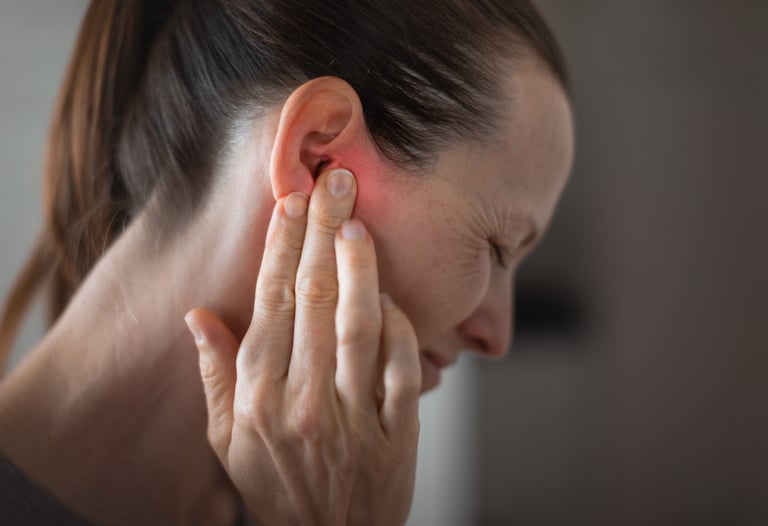
If the ringing never seems to stop, you know how draining tinnitus can become. Quiet moments disappear, sleep gets harder, and even simple conversations can feel exhausting.
What makes it worse is how invisible it is. People around you often can't hear what you're hear hearing, so they may not realize how much it affects your focus, mood, and daily life.
The good news is that while there isn't a single home remedy that works for everyone, there are several approaches that ear specialists commonly recommend alongside medical care. They won't erase tinnitus overnight, but they can make it much easier to live with.
One of the most overlooked factors is silence itself. Many people notice their ringing most when the room becomes completely quiet. That's because your brain has less external sound to process, making the internal noise stand out even more. A fan, soft music, nature sounds, or a white noise machine at bedtime can help reduce that contrast and make falling asleep easier.
Sleep deserves more attention than it usually gets. Poor sleep doesn't just make you tired. It can also make tinnitus seem louder the next day. Creating a consistent bedtime routine, limiting caffeine late in the day, and reducing screen time before bed can help your nervous system settle.
Stress is another piece of the puzzle. Tinnitus doesn't necessarily begin because of stress, but stress often turns the volume up. Deep breathing, gentle exercise, meditation, or simply taking regular breaks during the day can lower your body's stress response. Many people find that as their stress eases, their awareness of the ringing eases too.
Protecting your hearing also matters. Loud concerts, power tools, and even prolonged headphone use at high volume can aggravate tinnitus or contribute to hearing damage over time. Using proper hearing protection in noisy environments is one of the simplest steps you can take for your long-term hearing health.
It's also worth paying attention to everyday habits. Some people notice that excessive caffeine, alcohol, or high sodium intake makes their symptoms worse, while others notice no difference at all. Keeping a simple journal for a few weeks can help you identify your own triggers instead of relying on someone else's experience.
If you've already tried several of these ideas without much success, don't assume you've failed. A person who faithfully used white noise every night, wore hearing protection at work, and still struggled often benefits from a more complete evaluation rather than simply trying another home remedy.
The most important shift is realizing that tinnitus is a symptom, not a diagnosis, so understanding what's driving it matters as much as managing the sound itself.
Tinnitus can be linked to hearing loss, earwax buildup, certain medications, jaw disorders, exposure to loud noise, or other medical conditions. Finding the underlying reason doesn't always make the ringing disappear, but it can help guide the most effective treatment plan.
If your tinnitus is new, affects only one ear, pulses with your heartbeat, or comes with dizziness or sudden hearing loss, don't wait to be evaluated by a healthcare professional. Those symptoms deserve prompt medical attention.
After learning about tinnitus myself, I put together a short free video that walks through these evidence-based strategies in more detail and explains when it's time to seek further evaluation. If you're still searching for one quiet moment, I hope it helps you better understand your options.
Long-lasting tinnitus should never be ignored, especially if it changes suddenly or occurs alongside hearing loss. Understanding what's happening early gives you the best chance to address any underlying cause.
QuietEarTips
Pages
legal
This website contains affiliate links. If you make a purchase through one of these links, I may receive a small commission at no additional cost to you. The experiences shared on this site are personal and individual. Results are not guaranteed and can vary from person to person. All content is provided for informational purposes only and should not be considered medical advice. Always speak with a qualified healthcare professional before beginning any new health protocol or supplement.
© 2024. All rights reserved.