A Simple Home Approach That May Ease Ringing Ears
6/16/20262 min read
You lie down hoping for sleep, and the ringing gets louder.
Not because it changed, but because everything else finally got quiet.
If you live with tinnitus, you know how draining that can be. The sound follows you into meetings, conversations, long drives, and those few moments when you just want silence. What makes it worse is how invisible it is. People hear "ringing in the ears" and imagine a minor annoyance. They don't feel what it does to your concentration, your mood, or your ability to rest.
One reason tinnitus feels so defeating is that the sound isn't always coming from your ears alone.
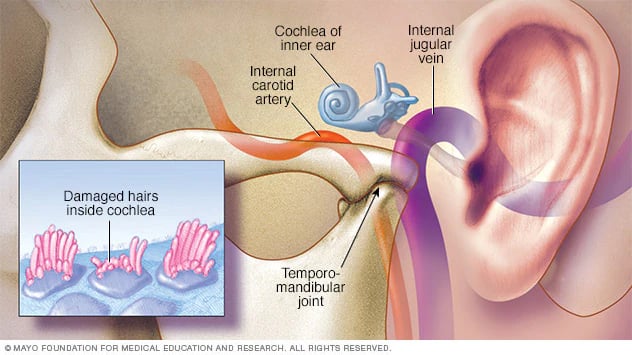
Your brain constantly processes signals from the hearing system. When hearing changes, whether from noise exposure, aging, stress, or other factors, the brain sometimes starts filling in missing information. The result can sound like ringing, buzzing, hissing, or even clicking.
That's why simply trying to block the noise often brings limited relief.
One home approach that helps some people involves reducing the body's stress response before bed. Not because tinnitus is "all in your head," but because stress can turn the volume up on sounds your brain already notices.
Try this for a week.
About an hour before sleep, turn off bright screens. Sit somewhere quiet. Place a warm compress against the side of your neck and jaw for ten minutes. Then spend five minutes breathing slowly through your nose, making your exhale longer than your inhale.
It sounds almost too simple.
But there is a reason it can help.
The muscles around the neck, jaw, and upper shoulders share connections with sensory pathways that interact with hearing-related circuits. When those areas stay tense all day, some people notice their tinnitus becomes more noticeable. Relaxing those muscles won't eliminate the underlying issue, but it may reduce one source of aggravation.
A person who spent years sleeping with a fan, white noise machine, and television running often discovers something surprising. The problem wasn't just the sound itself. The problem was how strongly the nervous system reacted to it.
That distinction matters.
Many common tinnitus strategies focus entirely on covering the noise. Sound masking has its place. So do hearing aids when hearing loss is involved. But if you only chase the sound, you can miss other factors that influence how intense it feels from day to day.
The ringing is often the symptom you notice most, not necessarily the process driving it.
When you understand that, things start making more sense.
Why stress makes bad days worse.
Why poor sleep creates a vicious cycle.
Why jaw tension can change the sound.
Why two people with similar hearing tests can experience tinnitus very differently.
This doesn't mean every case has the same cause. Tinnitus can develop for several reasons, and persistent symptoms deserve proper medical evaluation, especially if the ringing is sudden, affects one ear, or comes with dizziness or hearing changes.
But it does mean that relief sometimes starts where most people stop looking.
Not at the noise itself.
At the systems influencing how your brain responds to that noise.
If you've tried countless tricks and feel skeptical, that's understandable. Most people with long-term tinnitus have a drawer full of things that promised more than they delivered.
After going through this myself, I put together a short free video that goes deeper into exactly this and explains the underlying factors many people never hear about.
Ignoring ongoing tinnitus isn't always harmless. In some cases, it can become more intrusive over time and may be linked to hearing changes that deserve attention sooner rather than later.
QuietEarTips
Pages
legal
This website contains affiliate links. If you make a purchase through one of these links, I may receive a small commission at no additional cost to you. The experiences shared on this site are personal and individual. Results are not guaranteed and can vary from person to person. All content is provided for informational purposes only and should not be considered medical advice. Always speak with a qualified healthcare professional before beginning any new health protocol or supplement.
© 2024. All rights reserved.