A Free Home Remedy for Ringing Ears You Can Try Tonight
6/19/20262 min read
You lie down hoping for sleep, and the ringing gets louder.
The house is quiet. The room is dark. Yet that sound refuses to leave. After a while, it stops feeling like a noise and starts feeling like a thief. It steals focus, rest, and the simple peace of silence.
What makes tinnitus so frustrating is that other people can't hear it.
You can sit through dinner, answer emails, or smile through conversations while a constant tone hums in the background. That isolation wears on you. Eventually, you start wondering if this is just how life will sound from now on.
If you're looking for something simple to try tonight, one home remedy may help reduce the intensity of the ringing for some people.
Before bed, turn on a low, steady background sound.
Not loud. Not distracting.
A fan, soft rainfall audio, gentle white noise, or quiet nature sounds can sometimes help your brain pay less attention to the ringing. The goal isn't to cover the sound completely. It's to give your auditory system something else to focus on.
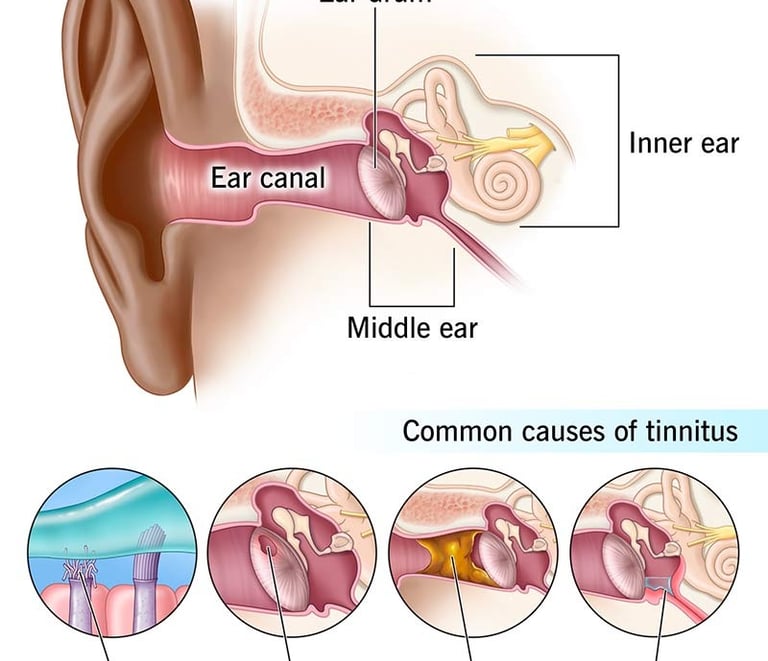
That matters because tinnitus isn't always coming from your ears alone.
Your brain plays a role too.
When hearing changes occur, the brain sometimes reacts by increasing sensitivity to certain frequencies. In simple terms, it starts turning up the volume in an attempt to find missing signals. For some people, that increased activity becomes the ringing they hear.
That's why silence often makes tinnitus seem worse.
The sound may not actually be getting louder. Your attention simply has nothing else competing for it.
Another thing many people notice is that stress changes everything.
A person might go weeks with manageable symptoms, then experience a stressful work deadline, poor sleep, or a difficult family situation. Suddenly the ringing feels impossible to ignore.
That's not imaginary.
Stress hormones can affect how the brain processes sound. When your nervous system stays on high alert, tinnitus often becomes more noticeable. This is one reason relaxation techniques help some people even when they don't affect the ears directly.
A useful exercise before bed is slow breathing.
Breathe in through your nose for four seconds. Hold briefly. Then exhale slowly for six seconds. Repeat for several minutes.
Will it eliminate tinnitus?
Probably not.
But it may help calm the nervous system that keeps amplifying your awareness of it.
I've spoken with people who did everything they were supposed to do. They avoided loud environments. They protected their hearing. They tried masking sounds. Yet they still found themselves staring at the ceiling at 2 a.m., listening to the same relentless tone.
That's when an important realization often happens.
The ringing itself may not be the real problem. The deeper issue may be why your auditory system started producing it in the first place.
Most tinnitus advice focuses on managing the sound after it appears. That can help. But understanding what is driving the signal in the first place often changes how you think about the condition entirely.
When that perspective shifts, the next steps start making more sense.
After dealing with this myself, I put together a short free video that goes deeper into exactly this and explains the underlying factors many people never hear about.
If you're skeptical, that's completely reasonable. Most people with tinnitus have already spent a lot of time trying things that promised more than they delivered.
In the free video, I explain the deeper mechanisms that may contribute to persistent ringing and why some approaches only provide temporary relief. Ongoing tinnitus can sometimes worsen over time and may be associated with changes in hearing, which makes understanding it sooner worthwhile.
QuietEarTips
Pages
legal
This website contains affiliate links. If you make a purchase through one of these links, I may receive a small commission at no additional cost to you. The experiences shared on this site are personal and individual. Results are not guaranteed and can vary from person to person. All content is provided for informational purposes only and should not be considered medical advice. Always speak with a qualified healthcare professional before beginning any new health protocol or supplement.
© 2024. All rights reserved.