A 60-Second Home Remedy That May Calm Ear Ringing
7/2/20262 min read
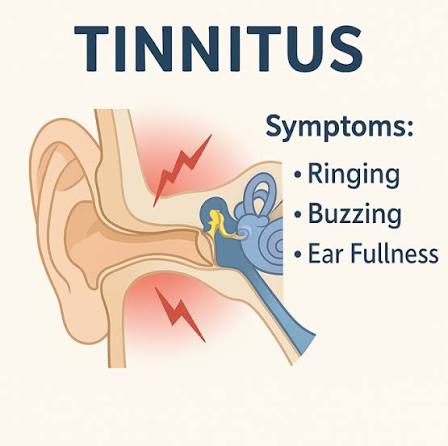
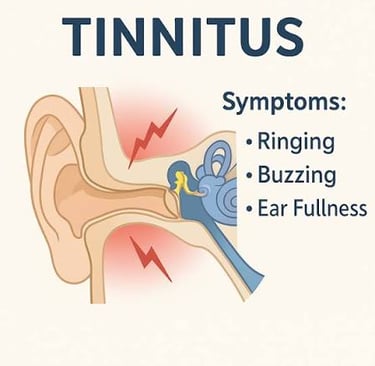
You don't miss silence until it disappears. When your ears never seem to stop ringing, even bedtime can feel like another battle instead of a chance to rest.
If you've reached the point where every quiet room feels louder because of the noise inside your head, you're not imagining how draining that becomes. It can wear down your focus, your patience, and your peace in ways other people rarely understand.
One simple home remedy takes less than a minute to try. Place the palms of your hands gently over your ears without pressing hard. Take a slow breath. Then remove your hands while swallowing once. Repeat this a few times.
It won't stop tinnitus for everyone. But some people notice a brief reduction in how strongly they perceive the ringing. The reason isn't magic. You're temporarily changing the sounds reaching your brain while also activating muscles around the middle ear and throat that work together during swallowing.
That matters because tinnitus is not always just an ear problem.
Your ears collect sound, but your brain decides which signals deserve attention. When hearing changes after noise exposure, aging, stress, or another trigger, the brain sometimes turns up its internal "volume" to compensate. That can make normal nerve activity sound like buzzing, ringing, or hissing even when the room is completely quiet.
Stress often makes this cycle worse.
When you're anxious or exhausted, your nervous system stays alert. The brain pays even more attention to internal sounds. That's why the ringing often seems louder at night. The house gets quieter, but your brain doesn't.
This is also why quick breathing exercises, gentle neck relaxation, and protecting your hearing can sometimes reduce how intrusive tinnitus feels, even if they don't eliminate the sound itself.
I once spoke with someone who carried a small fan everywhere. Not because they liked the breeze, but because the soft background noise helped them get through work meetings without feeling overwhelmed by the ringing. They weren't looking for perfection. They just wanted one peaceful hour.
That kind of adjustment can help, but it's also worth asking a bigger question.
The ringing may be the symptom your brain notices, while the real problem began somewhere deeper in the hearing and nervous system.
That doesn't mean every case has the same cause. Tinnitus can be linked to hearing loss, loud noise exposure, certain medications, jaw problems, circulation issues, or other medical conditions. That's why persistent ringing, especially if it affects one ear, starts suddenly, or comes with dizziness or hearing changes, deserves a proper evaluation by a healthcare professional. Early attention matters because some causes respond better when they're addressed promptly.
The goal isn't simply to chase the noise. It's to understand why your brain keeps producing it in the first place. That shift changes how you think about every remedy you try.
After going through this myself, I put together a short free video that goes deeper into exactly this. If you're skeptical, I understand. I was too until I started looking beyond the ringing itself.
In the video, I explain why some common approaches only provide temporary relief and why understanding the underlying process can help you make better decisions about what to try next. Ongoing tinnitus can sometimes become harder to manage over time, and it may also be associated with hearing loss in some people. Learning more sooner gives you a better chance to respond thoughtfully instead of simply enduring it.
QuietEarTips
Pages
legal
This website contains affiliate links. If you make a purchase through one of these links, I may receive a small commission at no additional cost to you. The experiences shared on this site are personal and individual. Results are not guaranteed and can vary from person to person. All content is provided for informational purposes only and should not be considered medical advice. Always speak with a qualified healthcare professional before beginning any new health protocol or supplement.
© 2024. All rights reserved.