5 Simple Kitchen Remedies That May Help Calm Tinnitus
6/21/20262 min read
You’re tired of hearing a sound nobody else can hear.
The ringing follows you into bed, wakes you before your alarm, and turns quiet moments into something you dread instead of enjoy.
What makes tinnitus so frustrating is that it rarely behaves the same way twice. Some days it fades into the background. Other days it feels impossible to ignore. And when you've already tried ear drops, white noise, and every internet tip imaginable, it's easy to feel stuck.
The first thing worth knowing is this: the sound itself is not always the problem.
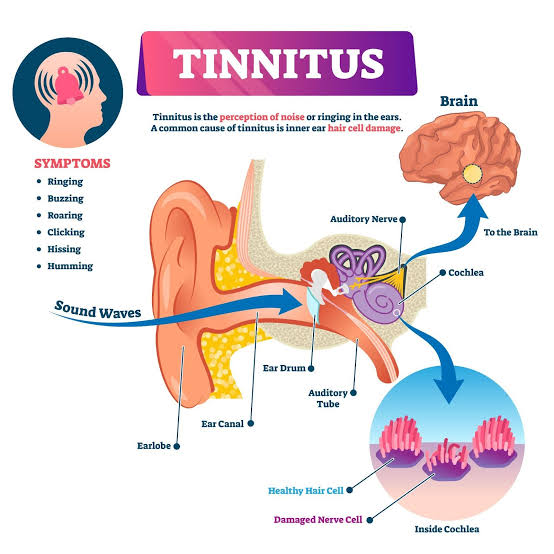
Tinnitus often starts in the ears, but the experience of tinnitus involves the brain. When hearing changes, the brain sometimes tries to compensate for missing sound signals. That process can create the ringing, buzzing, or hissing you hear.
This is why two people with similar hearing tests can experience tinnitus very differently.
Certain foods and kitchen ingredients won't erase tinnitus. Anyone claiming that is oversimplifying a complicated condition. But some ingredients may help reduce factors that make the noise feel louder.
Garlic is one example. It contains compounds that support healthy blood flow. For some people, poor circulation can make ear-related symptoms feel more noticeable.
Ginger is another. If inflammation plays a role in your symptoms, ginger may help calm some of that activity. Many people simply add fresh slices to hot water and drink it slowly during the day.
Turmeric often gets attention for the same reason. Its active compounds have been studied for their effects on inflammation. While it is not a treatment for tinnitus itself, some people find it useful as part of a broader approach.
Cinnamon may help support healthy blood sugar balance. That matters because sudden blood sugar swings can worsen tinnitus for certain people. If you've ever noticed ringing becoming more intense after skipping meals, this connection may sound familiar.
Then there is plain old chamomile tea.
Not because it changes the ears.
Because it helps calm the nervous system.
A person lying awake at 2 a.m., listening to the ringing and watching the clock, often enters a cycle where stress amplifies awareness of the sound. Better relaxation sometimes reduces the distress attached to tinnitus, even when the sound remains present.
This is where many people miss something important.
They spend years trying to silence the ringing while overlooking what is making their brain lock onto it so intensely.
The sound may start in the ears, but the suffering often grows from how the brain processes and reacts to that sound.
Once you understand that distinction, a lot of confusing experiences begin to make sense.
Think about the office worker who barely notices the ringing during a busy afternoon but becomes consumed by it the moment the house gets quiet at night. The sound didn't necessarily change. Their attention did.
That doesn't mean tinnitus is imaginary. Far from it.
It means the condition is more complex than most people realize.
And it explains why some approaches focused entirely on the ears leave people disappointed.
If you've been trying one remedy after another without much success, you may not be addressing the deeper mechanisms involved.
After going through this myself, I put together a short free video that goes deeper into exactly this and explains why so many common tinnitus approaches fall short.
If you're skeptical, that's completely reasonable. Most people become skeptical after spending months or years searching for relief. In the free video, I walk through the overlooked factors that may influence tinnitus and why understanding them matters, especially since ongoing tinnitus can sometimes accompany hearing changes that become harder to reverse over time.
QuietEarTips
Pages
legal
This website contains affiliate links. If you make a purchase through one of these links, I may receive a small commission at no additional cost to you. The experiences shared on this site are personal and individual. Results are not guaranteed and can vary from person to person. All content is provided for informational purposes only and should not be considered medical advice. Always speak with a qualified healthcare professional before beginning any new health protocol or supplement.
© 2024. All rights reserved.